Writing on Democracy & Civic Life
Technology and
Democracy.
Zachey Kliger writes on American democracy, tech policy, and the forces shaping our political life.

Essays & Analysis
All Writing →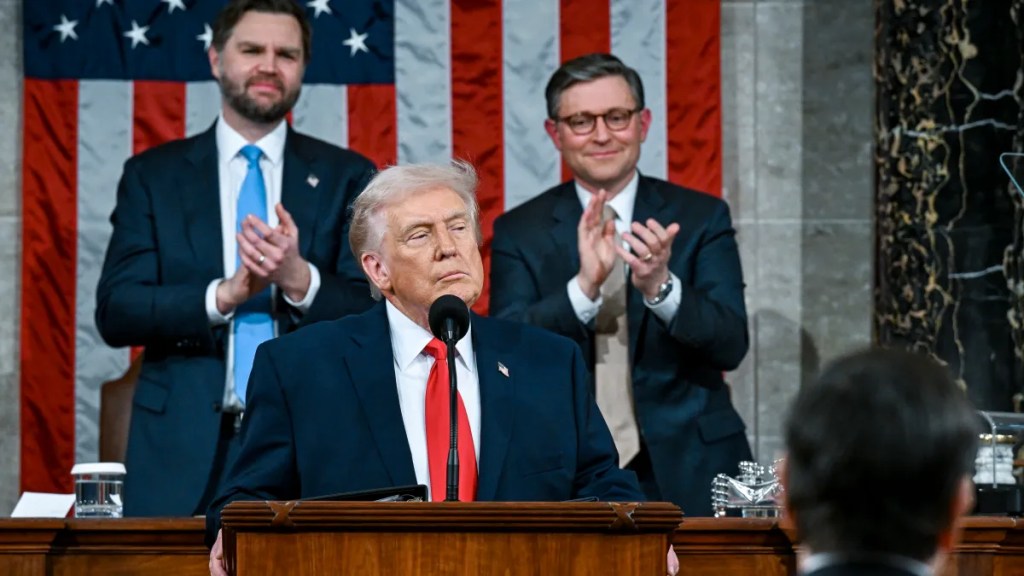 Artificial Intelligence
“What Trump Said — and Didn’t Say — About AI in His State of the Union”
In a record-breaking 107-minute address, President Trump referenced artificial intelligence only three times. Here's what he said — and what he conspicuously left out.
 Media
Media
How one Fox News Host Altered the Course of U.S. Gender Politics
Tucker Carlson helped transform modern American conservatism into a movement fixated on gender, paving the way for a wave of anti-trans legislation across the country.
 Media
Media
Consumers say they want reliable news. But are they willing to pay for it?
Americans overwhelmingly say they want credible news that is free from false or misleading information. But it appears they are less eager to pay for tools that would help them be more discerning in their news consumption.
 Social Justice
Could a Narrowing of America’s Digital Divide be a Positive Legacy of the Pandemic?
The pandemic’s harms to children – in the form of learning loss, stymied socialization and mental health troubles – have been well-documented. At the same time, in the long run, the pandemic will likely be a catalyst for bridging the nation’s digital divide.
 Disinformation
To Fight Disinformation on Digital Platforms, Policymakers should Promote Credibility Labels
To address the present dysfunction in the social media information ecosystem, policymakers should prioritize expanding the use of credibility labels.
 Civic Engagement
Policies Alone Won't Fix our Problems with Social Media. Public Interest Campaigns Must be Part of the Solution
During Facebook whistleblower Frances Haugen's testimony to Congress last week, multiple Senators compared Big Tech to Big Tobacco. If this analogy is prescient, then regulation and legislation will only go so far in curbing the harms caused by social media.
 Platform Regulation
3 Reasons Why the U.S. Lacks Federal Social Media Regulation, and Why That’s Likely to Change Soon
Today, the largest social media companies are subject to limited federal oversight in the United States. But that is likely to change soon.
 Media
Media
The Asymmetric Media Ecosystem at the Heart of America’s Post-Truth Era
The spread of mis- and disinformation in the American media ecosystem undermines effective governance and a functional democracy. How did we get here? And what is our way out?
 Politics
Who are QAnon Supporters? 5 Revealing Findings from Survey Data
To assess the scope of QAnon’s support, and to identify common demographic and psychographic characteristics of QAnon supporters, I analyzed survey data collected by the Pew Research Center between August 31, 2020 – September 7, 2020.
 Social Justice
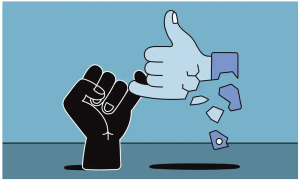
High-Tech Continues to Excuse Anti-Black Discrimination
For years, executives at big tech firms have pointed to a “limited pool of Black talent” to excuse the persistent underrepresentation of African Americans in their companies. But recent data illuminates the shortcomings of this oft-cited explanation.
 Public Health
In New Role, Dr. Wafaa El-Sadr Seeks to Harness University Knowledge to aid COVID-19 Response
I had a chance to speak with Dr. Wafaa El-Sadr, a University Professor of Epidemiology and Medicine at Columbia University, about her career accomplishments, and how her experience working on the HIV pandemic has prepared her for COVID-19.
 Disinformation
A Federal Data Privacy Law May Be the Best Tool to Combat Online Disinformation
Online platforms like Facebook and Google make money by collecting user data and selling it to advertisers. At the federal level, existing regulations do little to limit what data these companies are able to collect, and with whom they can share it. A federal data privacy law would not only give consumers more control over their data, but also limit the effectiveness of online disinformation campaigns.
 Education
A Solution to NYC's Teacher Shortage: Teacher Residencies
New York City’s public schools have among the highest rates of teacher attrition in the country. Frequent turnover has contributed to a teacher shortage in the city. A strategic investment in a year-long teacher residency program would address the shortage by producing a consistent pipeline of high-quality teachers.
 Platform Regulation
Section 230 of the Communications Decency Act Should be Modified to Target Algorithms
Section 230 of the 1996 Communications Decency Act (CDA) exempts providers of an interactive computer service, such as social media platforms, from legal liability for user-generated content. It also allows platforms to moderate content as they see fit without fear of being sued.
 Civic Engagement
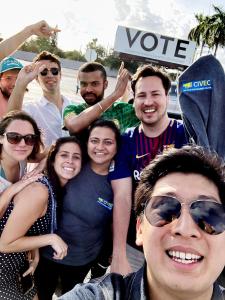
SIPA’s Civic and Voter Engagement Coalition Mobilizing Voters Ahead of Election Day, Building on Founder’s Vision
Andres Chong-Qui Torres (MPA ’19) arrived at SIPA in fall of 2017 eager to make a difference. Prior to attending Graduate school, Torres worked as an organizer for Obama’s re-election campaign in 2012, and served for three years as an Obama White House Appointee at the U.S. Treasury Department. He wanted to continue his public service work at SIPA. The only question was how.
 Social Justice
How the NBA and WNBA became Ambassadors for Social Justice
In my mid-20’s, I hit a rough stretch with basketball. My recreation team disbanded as people left Boston. The Nets continued to languish, with little sign of hope for the future. And my burgeoning passion for politics and social justice began to supplant my enthusiasm for sports. But in that process, I developed a newfound appreciation for the league, and the sport, I fell in love with as a kid.
 Social Justice
A Preemptive Strike: How the U.S. Government Engineered the Carceral State
In her thorough dissection of the policies that fueled the axiomatic rise in black incarceration in the final decades of the 20th century, Elizabeth Hinton traces the origins of the modern carceral state back to the social welfare programs of the early 1960’s.
 Public Health
GOP deploying familiar tactics with Covid-19 response
Our understanding of the novel coronavirus – its transmissibility, symptoms, and potential treatments and vaccines – is fluid. The Republican playbook for responding to, and communicating about, the crisis has become clear.
 Politics
Takeaways From Iowa
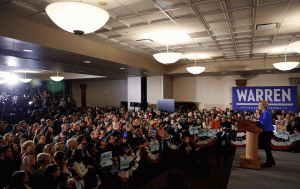
It occurred to me early Tuesday morning, amid the national media backlash over the reporting delay and dysfunction in Iowa, that my first caucus may very well be the last one Iowa ever hosts.
 Politics
My First Time Meeting Elizabeth Warren
The Polk County campaign staff was tasked with coordinating the event. I had two “official” jobs: Sign people in when they arrived, and secure caucus commitments from voters during and after the event. My third job: Meet the Senator.
 Public Health
The Case for Single-Payer Health Care
Today, 45 percent of U.S. adults ages 19 to 64, or 87 million people, are either underinsured or have no insurance at all. What is the best policy to ensure adequate, dependable coverage for those 87 million Americans?
 Social Justice
A Tale of Two Economies: Why We Need To Talk About Wealth
New figures from the U.S. Census Bureau revealed that income inequality in the United States has reached its highest level ever. Lurking beneath the headline numbers of GDP and unemployment are reminders that the country’s gains have been unevenly distributed.
 Politics
How Democrats Take Back the Rust Belt in 2020
The results of the 2018 midterms, a resounding Democrat victory in key races in Pennsylvania, Wisconsin and Michigan, should provide comfort to Democrats. But it means nothing for 2020 if the right strategy is not employed to flip working-class Trump voters, and increase voter turnout.
 Social Justice
The Whiter, Wealthier School District Next Door
65 years after Brown v. Board of Education, our suburbs are more racially integrated than in previous decades, but still profoundly segregated from town to town: Low-income and nonwhite families live in communities with fewer white residents and lower-performing schools.
 Trends
America's Crisis of Confidence
Today, public trust in government is as low as it has ever been. The rise of fear-based news, the proliferation of social media, and the government’s faulty track record in recent decades have all contributed to the current climate.
